
When you bring home a handcrafted piece of furniture, you’re adding far more than a table, cabinet, or bench to your living space. You’re welcoming a story shaped by skilled hands, carefully selected materials, and countless hours of craftsmanship.
In today’s world of fast furniture and mass production, handmade furniture continues to stand apart because every piece carries character that cannot be replicated by machines. From reclaimed wood rich with history to traditional woodworking techniques that have been refined over generations, handmade furniture represents quality, sustainability, and authenticity.
Whether you’re furnishing a modern apartment, designing a luxury home, or sourcing furniture for a commercial project, understanding what happens behind the scenes helps you appreciate why handcrafted solid wood furniture remains a worthwhile investment.
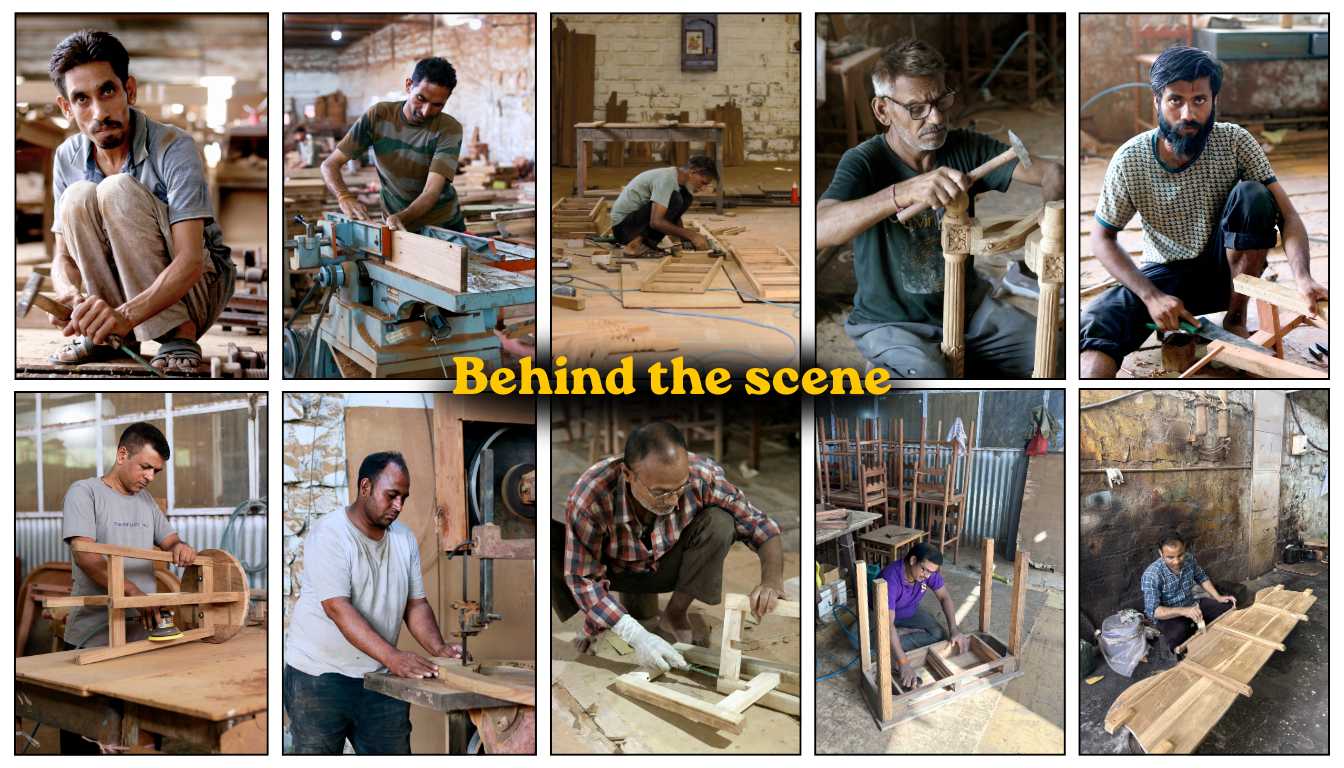
The Art of Handmade Furniture: Behind the Scenes
When you bring home a handcrafted piece of furniture, you’re adding far more than a table, cabinet, or bench to your living space. You’re welcoming a story shaped by skilled hands, carefully selected materials, and countless hours of craftsmanship.
In today’s world of fast furniture and mass production, handmade furniture continues to stand apart because every piece carries character that cannot be replicated by machines. From reclaimed wood rich with history to traditional woodworking techniques that have been refined over generations, handmade furniture represents quality, sustainability, and authenticity.
Whether you’re furnishing a modern apartment, designing a luxury home, or sourcing furniture for a commercial project, understanding what happens behind the scenes helps you appreciate why handcrafted solid wood furniture remains a worthwhile investment.
Table of Contents
- Why Handmade Furniture Matters
- Choosing the Right Reclaimed Wood
- Designing with Purpose
- Traditional Craftsmanship at Work
- The Finishing Process
- Quality Inspection and Final Assembly
- From the Workshop to Your Home
- Why Handmade Reclaimed Wood Furniture Is Different
- Tips for Buying Handmade Furniture
- Frequently Asked Questions
- Conclusion
Why Handmade Furniture Matters
Mass-produced furniture is designed for speed and volume. Handmade furniture is designed for longevity.
Each handcrafted piece reflects careful attention to detail that simply isn’t possible on an assembly line. Craftspeople evaluate the wood grain, adjust designs based on natural variations, and refine every joint for durability and beauty.
The result is furniture that often lasts for decades instead of only a few years.
Homeowners and interior designers increasingly value handmade furniture because it offers:
- Unique natural wood grain
- Superior craftsmanship
- Greater durability
- Sustainable material choices
- Timeless aesthetic appeal
- Customization options
Rather than owning furniture identical to thousands of others, buyers receive something genuinely distinctive.
Choosing the Right Reclaimed Wood
Every piece begins with a story.
One of the most fascinating parts of handmade furniture is the material itself.
Reclaimed wood often comes from old buildings, historic homes, warehouses, barns, and other structures that have served their purpose. Instead of being discarded, this timber is carefully recovered and prepared for a new life.
Years of natural aging give reclaimed wood qualities that freshly harvested timber rarely possesses.
Benefits include:
- Rich texture
- Beautiful grain variation
- Natural patina
- Exceptional strength
- Reduced environmental impact
Every knot, nail mark, and subtle imperfection contributes to the individuality of the finished furniture.
Designing with Purpose
Before woodworking begins, every project starts with thoughtful planning.
Designers consider:
Functionality
Will the dining table comfortably seat eight people?
Can the sideboard provide practical storage?
Does the coffee table suit smaller living rooms?
Proportion
Well-balanced furniture complements the room without overwhelming the space.
Wood Characteristics
Experienced makers position each wood plank carefully so the natural grain becomes part of the design itself rather than something hidden.
This stage transforms raw reclaimed timber into a vision that balances aesthetics and everyday usability.
Traditional Craftsmanship at Work
Where Skill Makes the Difference
The workshop is where reclaimed wood truly comes to life.
Craftspeople carefully prepare each timber section before beginning construction. Every board is inspected, cut, joined, sanded, and refined with precision.
Unlike factory production, handmade furniture allows flexibility throughout the process.
Artisans may:
- Adjust grain alignment
- Match wood tones naturally
- Strengthen structural joints
- Refine edges by hand
- Perfect intricate details
Traditional joinery techniques help create furniture that remains stable and durable through years of daily use.
Machines assist with efficiency, but the experience and judgment of skilled woodworkers determine the final quality.
The Finishing Process
Many people assume finishing simply means adding color.
In reality, finishing is one of the most important stages.
The finish enhances:
- Natural wood grain
- Texture
- Color depth
- Surface protection
- Overall appearance
Depending on the desired look, furniture may receive natural oils, waxes, stains, or protective coatings while preserving the authentic character of reclaimed wood.
A carefully finished surface highlights the history of the timber rather than hiding it.
Quality Inspection and Final Assembly
Before any handmade furniture leaves the workshop, it undergoes thorough inspection.
Craftspeople examine:
- Structural strength
- Smoothness
- Stability
- Finish consistency
- Hardware installation
- Final dimensions
Any minor adjustment is completed before packaging.
This careful review helps ensure every piece meets high standards for craftsmanship and durability.
From the Workshop to Your Home
The journey doesn’t end when the furniture is completed.
Proper packaging plays an essential role in protecting handcrafted furniture during transportation.
Solid wood furniture is carefully wrapped and cushioned to help safeguard corners, edges, and surfaces throughout shipping.
Once delivered, homeowners often notice details that photographs cannot fully capture:
- The warmth of real wood
- Natural grain movement
- Rich texture
- Hand-finished surfaces
- Unique reclaimed wood character
Over time, handmade furniture develops even more personality as it becomes part of everyday family life.
Unlike disposable furniture, these pieces are designed to age gracefully.
Why Handmade Reclaimed Wood Furniture Is Different
Handmade reclaimed wood furniture combines sustainability with craftsmanship in a way few materials can.
Instead of relying solely on newly harvested timber, reclaimed wood gives existing resources a second life while preserving their natural beauty.
Every handcrafted item shares its own story through:
- Weathered grain
- Natural markings
- Historical character
- Individual color variation
- One-of-a-kind texture
Because no two reclaimed boards are identical, every dining table, coffee table, console, or cabinet becomes completely unique.
For homeowners seeking furniture with authenticity rather than uniformity, reclaimed wood offers lasting appeal that trends rarely replace.
Tips for Buying Handmade Furniture
When investing in handcrafted furniture, keep these practical tips in mind:
Consider Your Lifestyle
Choose finishes and designs suited to your daily use.
Ask About Materials
Understanding the wood species and whether reclaimed timber is used provides insight into durability and character.
Measure Carefully
Confirm room dimensions before selecting dining tables, sideboards, or large storage furniture.
Appreciate Natural Variation
Small differences in grain, knots, and color are signs of genuine craftsmanship—not imperfections.
Think Long-Term
Quality handmade furniture is often an investment that can remain beautiful for generations with proper care.
FAQ
Is handmade furniture more durable?
Yes. Handmade furniture often uses higher-quality materials and stronger construction methods, resulting in greater durability than many mass-produced alternatives.
Why is reclaimed wood popular?
Reclaimed wood offers distinctive character, environmental benefits, and exceptional strength due to its age and natural seasoning.
Does every handmade furniture piece look different?
Yes. Natural wood grain, knots, texture, and color ensure every handcrafted piece is unique.
Is reclaimed wood safe for indoor furniture?
Absolutely. Properly prepared reclaimed wood is cleaned, treated, and carefully crafted for residential and commercial interiors.
How should I care for handmade solid wood furniture?
Dust regularly, wipe spills promptly, avoid prolonged moisture exposure, and use coasters or placemats to help preserve the finish.
Conclusion
Handmade furniture represents patience, craftsmanship, and thoughtful design. From carefully selecting reclaimed wood to shaping, finishing, inspecting, and delivering each piece, every stage contributes to furniture that feels personal rather than manufactured.
For homeowners and designers who value quality, sustainability, and timeless style, handmade reclaimed wood furniture offers beauty that grows richer with age. Exploring the craftsmanship behind each piece makes it easier to appreciate not only how it’s made, but also why it continues to be cherished for years to come.
If you’re considering handcrafted furniture for your next project, take time to explore pieces made from reclaimed solid wood and discover the character that only genuine craftsmanship can provide.