
Walk into a thoughtfully designed home in Brooklyn, Copenhagen, or the Cotswolds these days and there’s a good chance you’ll spot it: a dining table with a warm, honeyed glow, faint nail holes near the edge, and a grain pattern that no factory could ever replicate. That’s reclaimed teak. Once considered a niche choice for the eco-conscious few, it has quietly moved into the mainstream, and it’s now one of the most sought-after materials among homeowners and interior designers on both sides of the Atlantic.
So what’s driving the shift? It isn’t just one thing. It’s a mix of environmental awareness, a renewed appreciation for craftsmanship, and the simple fact that old teak is remarkably beautiful and built to last. Let’s unpack why this material has struck such a chord in Western homes and what makes it worth considering for your own space.
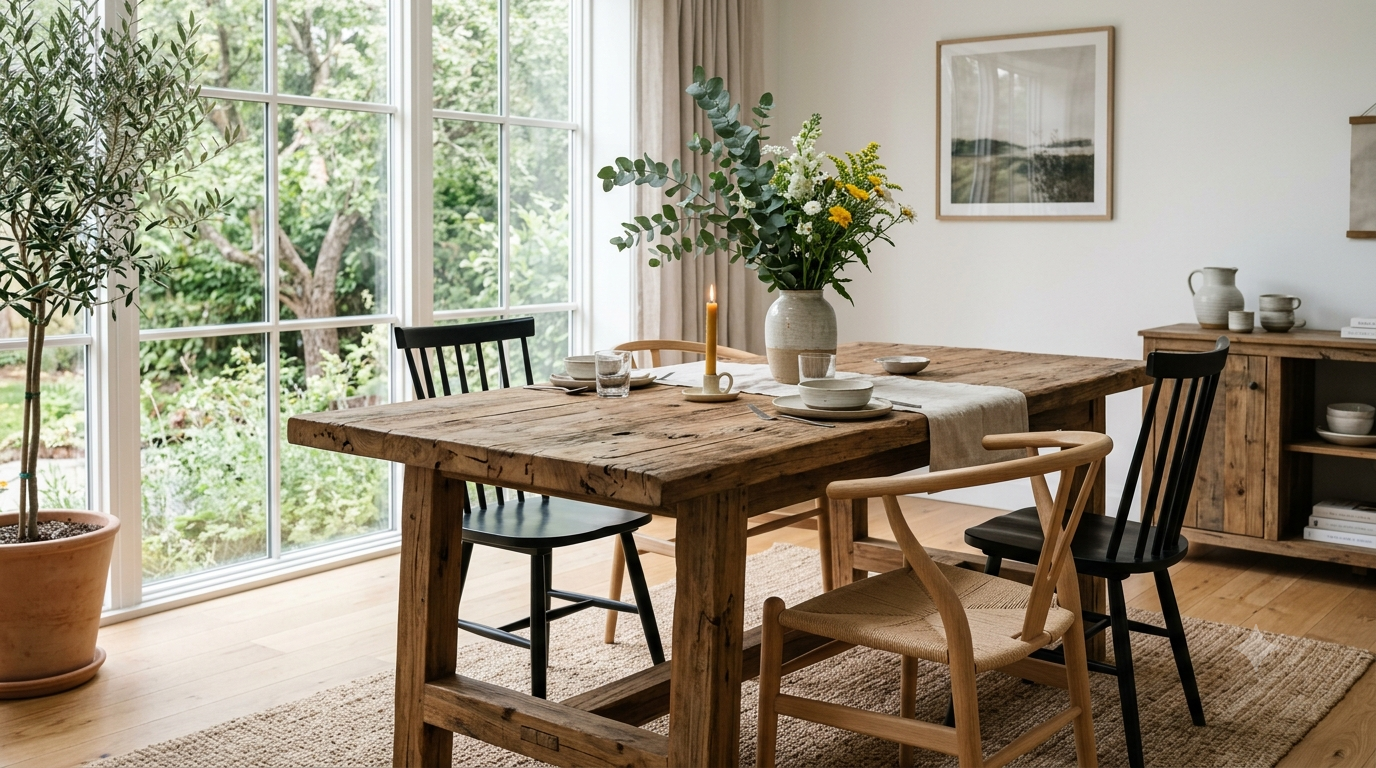
Table of Contents
- What Exactly Is Reclaimed Teak?
- The Sustainability Story People Actually Care About
- Built to Outlast Trends (and Generations)
- Character You Can’t Buy New
- Why Designers on Both Continents Keep Reaching for It
- Practical Tips for Buying Reclaimed Teak
- Design Ideas to Try at Home
- A Few Honest Considerations
- Final Thoughts
What Exactly Is Reclaimed Teak?
Reclaimed teak is timber that has already lived a full life before becoming furniture. Much of it is salvaged from old buildings, colonial-era homes, decommissioned boats, railway sleepers, and warehouses across South and Southeast Asia. Rather than being felled fresh from a forest, the wood is carefully dismantled, cleaned, de-nailed, and re-milled into planks ready for a second life.
Teak itself has long been prized for its density and natural oil content, which makes it resistant to water, pests, and rot. When that wood has also spent decades seasoning inside a structure, it becomes even more stable. In practical terms, that means a reclaimed teak table is far less likely to warp, crack, or shift with the seasons than something made from freshly cut timber.
The Sustainability Story People Actually Care About
Sustainability has moved from a marketing buzzword to a genuine buying factor, especially for younger homeowners in the US and Europe. People want to know where their furniture comes from and what it cost the planet. Reclaimed teak answers that question in a way most materials can’t.
Because the wood is salvaged rather than harvested, no new trees are cut down to make it. That matters a great deal with teak, since old-growth teak forests are limited and heavily regulated. Choosing reclaimed timber keeps usable wood out of landfills and reduces demand for fresh logging. For buyers who care about their footprint but still want something that looks and feels luxurious, it’s a rare win on both counts.
The story reflects human experience. Reclaimed pieces are almost always handmade by skilled artisans rather than churned out on an assembly line, which supports traditional woodworking communities. That combination of environmental and ethical value resonates strongly with conscious consumers.
Built to Outlast Trends (and Generations)
One reason reclaimed teak has caught on so widely is pure practicality: it lasts. In an era of flat-pack furniture that sags after a couple of moves, there’s growing fatigue with disposable design. People are tired of replacing the same wobbly bookshelf every few years.
A well-built reclaimed teak table can realistically serve a family for decades and then get passed down. The wood’s natural oils help it shrug off spills and humidity, and minor scratches tend to add character rather than ruin the surface. When you divide the price over a lifetime of use, these pieces often work out cheaper than repeatedly buying cheaper furniture. That long-term logic appeals to buyers who’d rather invest once and invest well.
Character You Can’t Buy New
Here’s the part that’s harder to quantify but easy to feel. Every piece of reclaimed teak carries the marks of its previous life: old bolt holes, subtle tonal shifts, weathered edges, and grain that has deepened over the years. These aren’t flaws to be sanded away; they’re the whole point.
In a market flooded with identical mass-produced pieces, that individuality feels refreshing. A reclaimed teak coffee table becomes a conversation starter, a small piece of history sitting in your living room. For homeowners who want their space to feel personal rather than showroom-generic, that authenticity is a huge draw. No two pieces are ever quite alike, which means your furniture is genuinely one of a kind.
Why Designers on Both Continents Keep Reaching for It
Interior designers have played a big role in pushing reclaimed teak into the spotlight. Its warm, earthy tones work beautifully across a surprising range of styles. In Scandinavian and minimalist interiors, it adds organic warmth that stops a room from feeling cold or clinical. In rustic and farmhouse settings, it reinforces that lived-in, handcrafted feel. And in modern eclectic spaces, a single teak statement piece can anchor an entire room.
Designers also love the flexibility. Reclaimed teak pairs effortlessly with metal, glass, stone, and softer upholstery, making it easy to blend into almost any palette. Because so many pieces are made to order, designers can request specific dimensions and finishes to fit a client’s space exactly, which is a big advantage when working on bespoke residential or hospitality projects.
Practical Tips for Buying Reclaimed Teak
If you’re thinking about bringing a piece home, a little knowledge goes a long way. Keep these pointers in mind:
Ask about the source. Genuine reclaimed teak should come with a clear story: old buildings, boats, or beams. A trustworthy maker will happily explain where the wood came from.
Check the joinery, not just the surface. Solid mortise-and-tenon or dovetail joints signal quality construction that will hold up for decades. Staples and cheap glue are red flags.
Embrace the imperfections. Small cracks, filled nail holes, and color variation are normal and desirable. If a piece looks flawlessly uniform, it may not be truly reclaimed.
Ask about finishes. A natural oil or wax coating allows the grain to breathe and is easy to maintain. Confirm whether the finish is food-safe if you’re buying a dining or kitchen piece.
Consider custom sizing. Handmade furniture offers the advantage of tailored measurements from many workshops, so don’t compromise with something that just about fits.
Design Ideas to Try at Home
Not sure where to start? A reclaimed teak dining table makes a stunning centerpiece and pairs surprisingly well with modern upholstered chairs for a mixed old-and-new look. In the living room, a low teak coffee table grounds a neutral sofa and adds instant warmth. For smaller spaces, a slim console table in an entryway delivers big character without crowding the room.
Teak also shines outdoors and in transitional spaces thanks to its weather resistance, so a reclaimed bench on a patio or in a mudroom is both practical and beautiful. If you want a subtler touch, try open teak shelving against a plain wall to let the grain do the talking. The key is restraint: let one or two teak pieces stand out rather than filling a whole room, so each one keeps its impact.
A Few Honest Considerations
Reclaimed teak isn’t the right fit for every situation, and it’s worth going in with clear expectations. Because each piece is handmade from salvaged wood, lead times can be longer than off-the-shelf furniture, and international shipping takes planning. The upfront cost is usually higher too, though most owners find the durability more than justifies it.
It also helps to be flexible about appearance. If you need two matching pieces to look identical down to the grain, reclaimed wood may frustrate you, because variation is built in. But for most buyers, that unpredictability is exactly the appeal.
Final Thoughts
The popularity of reclaimed teak in the USA and Europe isn’t a passing trend. It reflects a deeper shift in how people think about the things they bring into their homes, valuing longevity over convenience, character over uniformity, and responsibility over waste. A single reclaimed teak piece manages to tick all of those boxes while looking genuinely beautiful in the process.
If you’ve been drawn to the warmth and story behind reclaimed wood, it might be worth exploring what a handcrafted piece could look like in your own space. Take your time; ask questions, and choose something you’ll still love decades from now. When you’re ready to see what’s possible, browsing a few handmade options is a lovely place to start.