
Every piece of reclaimed wood furniture begins long before it enters a living room, dining space, or bedroom. Unlike newly manufactured materials, reclaimed wood already carries a history within it. It may have once been part of an old home, a traditional door, a warehouse beam, a farmhouse floor, or a structure that stood for decades before being carefully repurposed.
That history is what makes reclaimed wood furniture feel different.
The grain patterns are often richer. The texture feels more natural. Small imperfections, weathered markings, nail holes, and tonal variations tell stories that new wood simply has not had time to develop. These details are not usually signs of damage. They are reminders that the material has already lived one life before becoming furniture.
As homeowners and interior designers move toward more thoughtful interiors, reclaimed wood furniture has become increasingly valued not only for its sustainability but also for its authenticity. Handmade solid wood furniture made from reclaimed materials brings warmth, depth, and individuality into modern spaces in a way that mass-produced furniture often cannot replicate.
Understanding the story behind reclaimed wood furniture helps people appreciate why these pieces feel so personal and timeless.
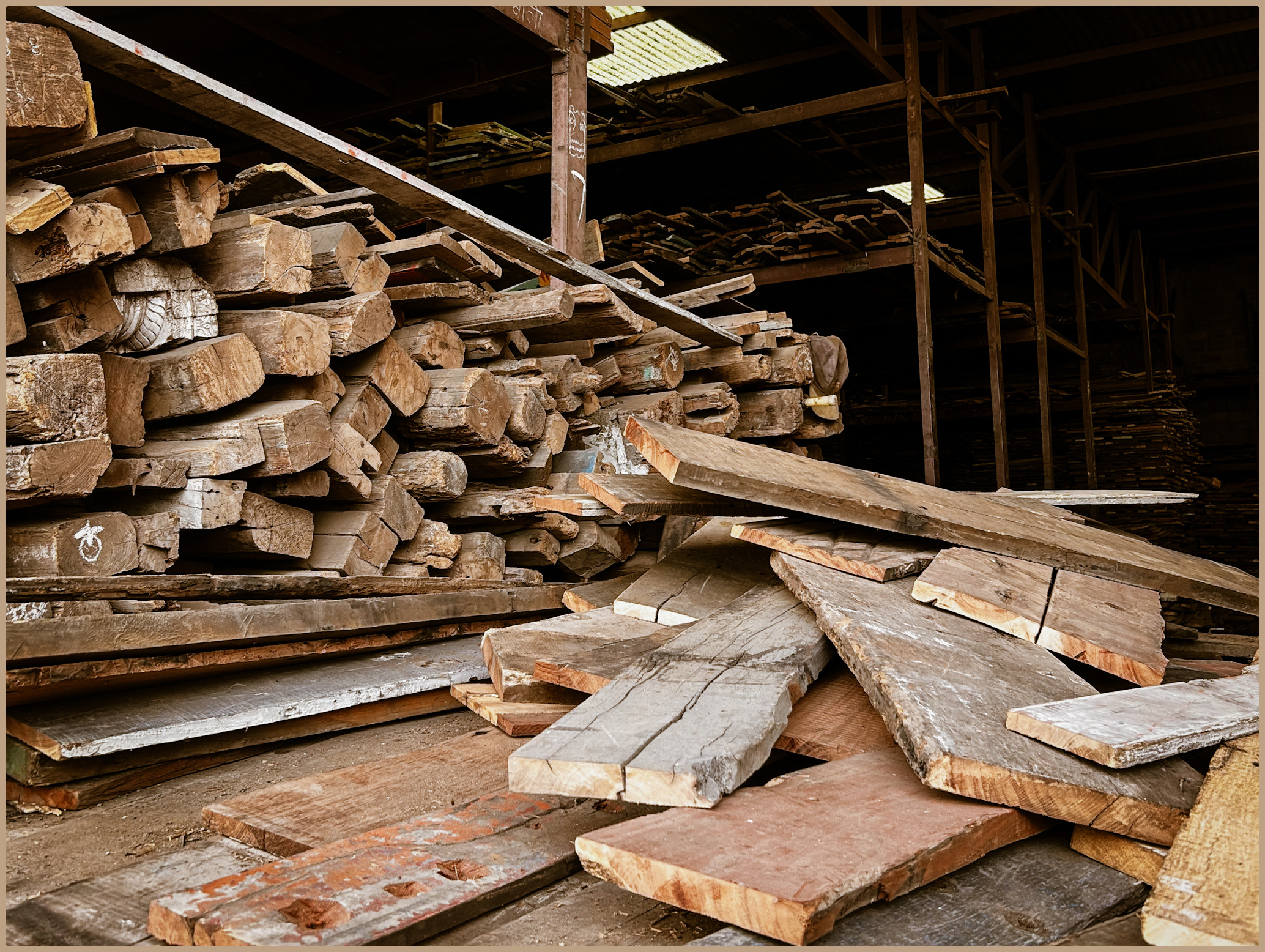
Table of Contents
- What Is Reclaimed Wood Furniture?
- Why Reclaimed Wood Feels Different
- The Journey of Reclaimed Wood
- How Craftsmanship Shapes the Final Piece
- The Beauty of Imperfections and Natural Character
- Why Homeowners and Designers Love Reclaimed Wood Furniture
- Styling Ideas for Reclaimed Wood Interiors
- From Workshop to Your Home
- Practical Tips for Buying Reclaimed Wood Furniture
- FAQ Section
- Conclusion
What Is Reclaimed Wood Furniture?
Reclaimed wood furniture is made using wood that has already been used previously in buildings, structures, flooring, beams, doors, barns, or other architectural elements. Instead of cutting fresh lumber, the wood is recovered, restored, and transformed into new furniture pieces.
This process gives the material a second life.
The result is furniture with visible age, texture, and natural variation that cannot be recreated artificially. Every reclaimed wood table, bench, cabinet, sideboard, or shelf contains details shaped by time itself.
Unlike factory-perfect surfaces, reclaimed wood often celebrates individuality. The material may show subtle marks, aged grain, old repair patches, or tonal shifts that make every piece unique.
That uniqueness is part of the appeal.
Why Reclaimed Wood Feels Different
Many people notice immediately that reclaimed wood furniture has a warmth and depth that feels more natural than newer manufactured materials.
The Wood Has Already Aged Naturally
Older wood often develops denser grain and richer texture over decades of use and environmental exposure. Sunlight, weather, moisture, and time all shape the appearance of the material.
This natural aging process creates visual depth that is difficult to imitate with artificial finishes.
Every Board Has Character
No reclaimed wood board looks exactly the same.
Some may contain visible grain movement, knots, or weathered texture. Others may show small nail holes or color variation caused by years of use. These features create furniture that feels authentic rather than perfectly uniform.
For many homeowners, these details are exactly what make reclaimed wood furniture beautiful.
Reclaimed Wood Brings Warmth Into Interiors
Modern interiors often include clean lines, open spaces, and neutral palettes. Reclaimed wood introduces balance by adding texture, natural color, and visual softness.
A reclaimed wood dining table or bench can completely change the atmosphere of a room without requiring excessive decoration.
The Journey of Reclaimed Wood
The journey behind reclaimed wood furniture is often as meaningful as the finished piece itself.
Salvaging the Material
The process usually begins with sourcing old wood from buildings, homes, warehouses, or architectural structures that are being renovated or dismantled.
Instead of allowing the wood to go to waste, it is carefully recovered and preserved.
This step requires patience because older wood often contains nails, weathered surfaces, and irregular dimensions that need proper handling.
Cleaning and Preparing the Wood
Once reclaimed, the wood is cleaned thoroughly and inspected carefully.
Old nails, hardware, and damaged sections are removed while preserving the natural character of the material. The wood is then dried, stabilized, and prepared for furniture making.
This stage is important because reclaimed wood needs careful attention before it can become durable furniture again.
Selecting Boards for Each Furniture Piece
Furniture makers do not simply use reclaimed wood randomly. Boards are often selected based on grain, tone, texture, and structural strength.
Some boards may be chosen because they contain dramatic grain patterns. Others may be selected for softer texture or more balanced visual movement.
This thoughtful process helps each furniture piece feel intentional and cohesive.
How Craftsmanship Shapes the Final Piece
Handmade reclaimed wood furniture depends heavily on craftsmanship.
Working with reclaimed wood is often more challenging than working with freshly milled lumber because older wood can contain natural variation, movement, and irregularity.
Handmade Furniture Requires Human Judgment
A skilled craftsperson understands how to work with the wood rather than against it.
The grain direction, texture, color variation, and imperfections are considered carefully during construction. Instead of trying to erase all signs of age, handmade furniture often preserves the material’s natural character while ensuring strength and functionality.
The Importance of Finishing
Finishes help protect the wood while enhancing its grain and texture.
Natural finishes usually preserve the authentic appearance of reclaimed wood. Walnut tones deepen the grain and add richness. White wash finishes soften contrast and create a lighter, more relaxed appearance.
The right finish allows the personality of the wood to remain visible.
The Beauty of Imperfections and Natural Character
One of the most important things to understand about reclaimed wood furniture is that perfection is not always the goal.
Small marks and variations are often part of the story.
Nail Holes and Old Marks
Tiny filled holes, weathered edges, or old saw markings are reminders of the wood’s previous life. These details create authenticity rather than making the furniture feel damaged.
Grain Variation
Reclaimed wood usually contains stronger grain contrast and texture than newly cut wood. This variation gives furniture more visual depth.
Color Differences
Natural reclaimed wood may include lighter and darker areas within the same surface. These tonal changes make the furniture feel organic and alive.
Interior designers often appreciate these details because they add texture naturally without relying on excessive decoration.
Why Homeowners and Designers Love Reclaimed Wood Furniture
Sustainability
One major reason reclaimed wood furniture has become so popular is sustainability.
Reusing existing wood helps reduce waste and gives valuable material a second life rather than discarding it.
Timeless Design
Reclaimed wood furniture works across many design styles.
It fits naturally into:
- Rustic interiors
- Farmhouse spaces
- Contemporary homes
- Industrial interiors
- Minimalist rooms needing warmth
Its versatility makes it appealing for both homeowners and designers.
Furniture That Feels Personal
Mass-produced furniture often looks identical from one home to another. Handmade reclaimed wood furniture feels more individual because every grain pattern, texture, and surface tells a different story.
This individuality creates emotional connection.
Styling Ideas for Reclaimed Wood Interiors
Dining Spaces
A reclaimed wood dining table becomes even more inviting when paired with soft lighting, linen textures, and ceramic décor.
The natural grain creates warmth around gathering spaces.
Entryways
A reclaimed wood bench or console adds character immediately upon entering a home.
Pair with:
- Neutral rugs
- Woven baskets
- Simple greenery
- Warm wall lighting
Living Rooms
Coffee tables, media consoles, and sideboards made from reclaimed wood balance modern interiors beautifully.
They soften cleaner architectural lines and make spaces feel more lived-in.
Bedrooms
Reclaimed wood bed frames or benches bring warmth and texture into bedrooms without needing excessive styling.
Natural wood tones create a calm and grounded atmosphere.
From Workshop to Your Home
Every handmade reclaimed wood furniture piece follows a journey that combines material history with human craftsmanship.
After the reclaimed wood is sourced, cleaned, and prepared, skilled furniture makers carefully shape each board into a finished piece. Grain placement, proportions, joinery, and finishing are all considered thoughtfully.
Unlike mass manufacturing, handmade furniture often evolves slowly. The craftsperson works with the wood’s natural qualities rather than forcing uniform perfection.
Once completed, the furniture leaves the workshop and enters a home where it continues its story.
A reclaimed wood dining table may host family dinners for years. A bench may welcome guests daily. A cabinet may hold books, memories, and personal objects over time.
The wood’s original story becomes part of a new one.
That continuity is one of the most meaningful aspects of reclaimed wood furniture.
Practical Tips for Buying Reclaimed Wood Furniture
Expect Natural Variation
No two reclaimed wood pieces will look exactly the same. Grain patterns, texture, and tone naturally vary.
Appreciate Character Marks
Filled nail holes, small cracks, and texture variation are often signs of authenticity rather than flaws.
Understand Finish Options
Different finishes can completely change how reclaimed wood looks within a room.
Natural finishes feel organic and understated, while walnut finishes create more richness and contrast.
Choose Pieces That Suit Your Lifestyle
Dining tables, benches, cabinets, and coffee tables all age differently depending on how they are used. Choose durable finishes and designs that match daily life.
Focus on Craftsmanship
Strong construction matters. Handmade furniture should feel stable, balanced, and carefully finished.
FAQ Section
What is reclaimed wood furniture?
Reclaimed wood furniture is made using wood recovered from old buildings, structures, flooring, or architectural elements instead of newly harvested lumber.
Why is reclaimed wood furniture popular?
It combines sustainability, natural character, durability, and timeless design. Each piece also feels unique because of the wood’s history and grain variation.
Are imperfections normal in reclaimed wood furniture?
Yes. Small marks, grain variation, filled nail holes, and texture differences are natural characteristics of reclaimed wood.
Is reclaimed wood furniture durable?
Because older wood is frequently solid, stable, and organically aged, well-made reclaimed wood furniture is extremely durable.
Does reclaimed wood work in modern interiors?
Absolutely. Reclaimed wood adds warmth and texture that balances modern spaces beautifully.
Conclusion
Every piece of reclaimed wood furniture carries more than craftsmanship. It carries history.
The minor flaws, aged textures, natural marks, and grain patterns all convey narratives that have been shaped over time. These details create furniture that feels authentic, grounded, and deeply connected to natural materials.
Handmade reclaimed wood furniture is valued not only because it is sustainable but also because it brings individuality into the home. No two pieces are exactly alike, and that uniqueness is part of what makes them meaningful.
For homeowners and designers looking for interiors that feel warm, timeless, and personal, reclaimed wood furniture offers something difficult to replicate: character that comes naturally with age