
Step into any modern kitchen focused on design today, and you’ll notice a change. The sleek, cold feel of chrome and industrial metals is being replaced by the warmth of solid wood bar stools. This isn’t just a passing fad; both designers and homeowners are recognizing that wood offers something metal cannot: personality, longevity, and a sense of history.
This trend aligns perfectly with how people view their kitchens now. Kitchens aren’t simply functional areas anymore; they are spaces meant to be felt and experienced. Wooden bar stools invite you to relax. They offer comfort and, over time, gain a unique patina that reflects your family’s daily life.
This article explores why wooden bar stools are currently favored, what makes high-quality stools valuable, and how to pick pieces that will endure in your kitchen.
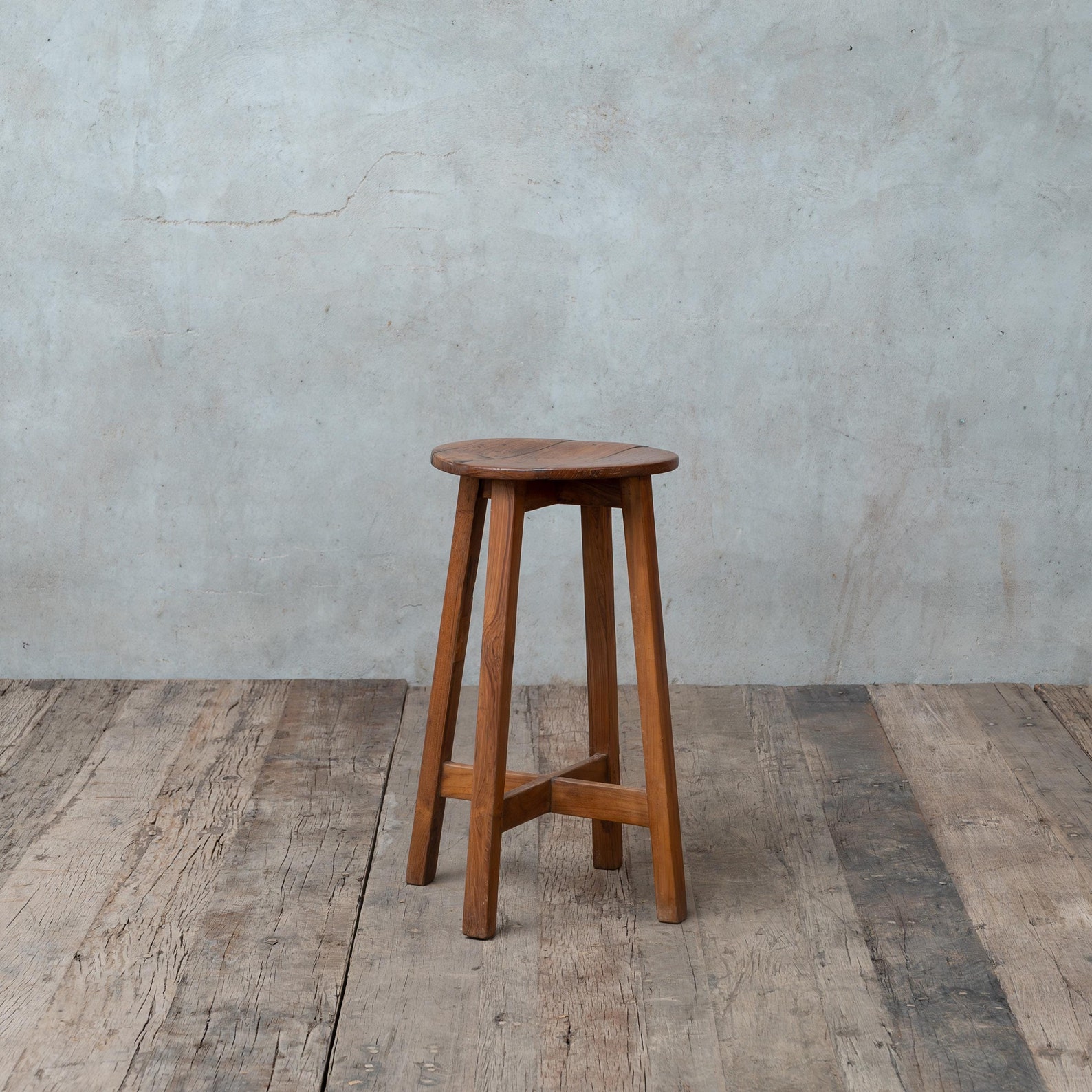
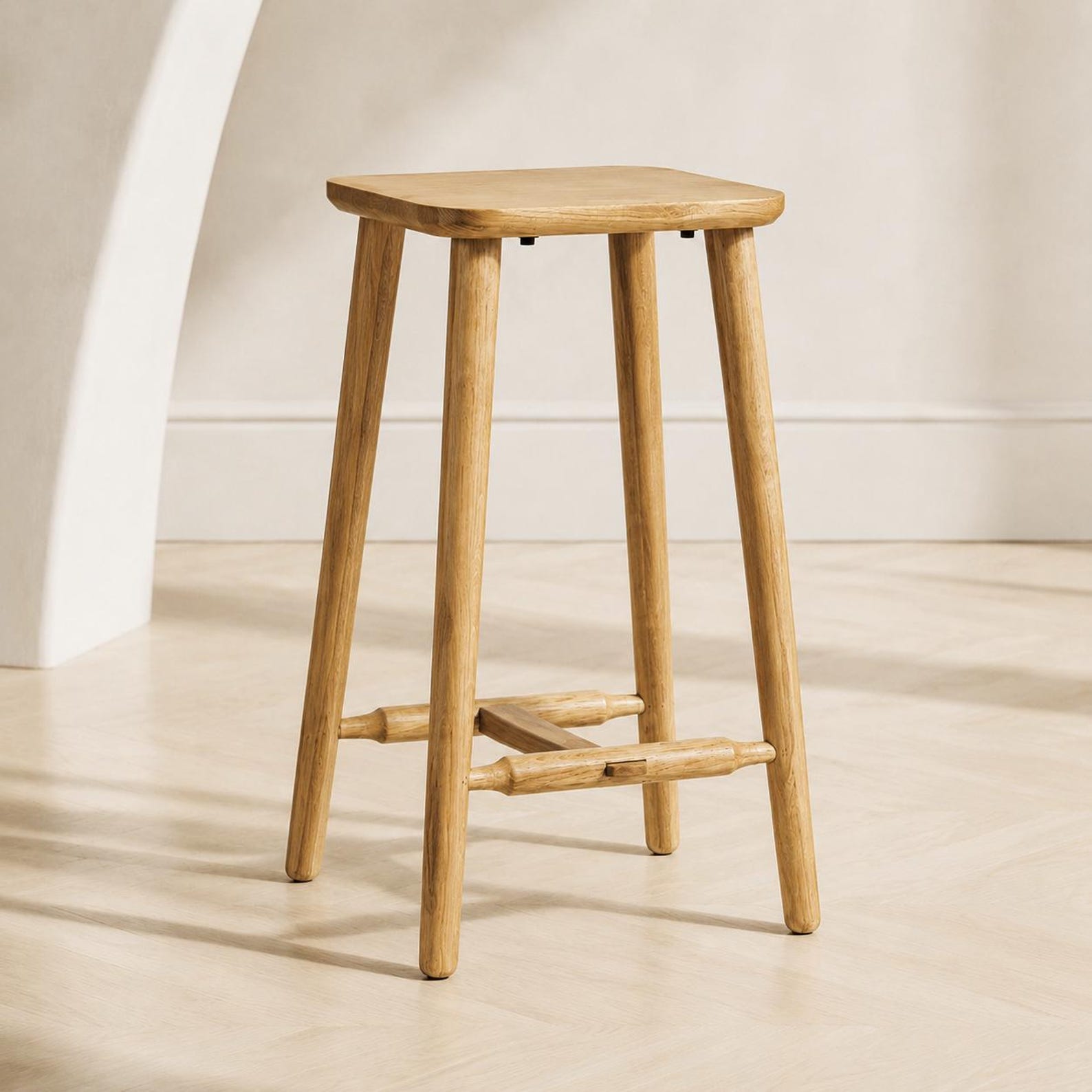
Table of Contents
- The Design Evolution: Why Wood Is In Style
- The Practical Benefits of Wooden Bar Stools
- Wood Varieties and Their Impact on Your Kitchen
- Craftsmanship: The Value of Handmade Stools
- Reclaimed Wood: Eco-Friendly and Full of Character
- Tips for Choosing Durable Wooden Bar Stools
- Styling Ideas for Wooden Kitchen Seating
- FAQ
The Design Evolution: Why Wood Is In Style
For many years, modern kitchens emphasized materials like glass, steel, and polished surfaces, which were minimalist, cold, and efficient. But kitchens have shifted into social hubs where people gather, converse, and spend time.
Wooden bar stools perfectly complement this change. They soften harsh edges and add warmth whether paired with concrete, marble, or butcher block countertops. These stools don’t just fill space; they contribute to a thoughtfully designed environment.
This trend is visible everywhere from design magazines to upscale kitchens and casual home décor accounts. Unlike some fleeting trends, this one resonates because it fulfills a genuine desire: making homes feel less sterile and more inviting.
The Practical Benefits of Wooden Bar Stools
- Long-lasting Durability: Well-crafted wooden stools are built to last for decades. They withstand daily wear, spills, and humidity changes better than many materials. Instead of wearing out, wood gains character with time.
- Comfort: Wood is warmer to the touch and has a slight flexibility that makes sitting more pleasant compared to metal or plastic options.
- Versatility: Wooden stools fit a wide range of décor styles, from farmhouse to industrial, depending on the wood finish and design.
- Ease of Repair: Minor damages like scratches or loose legs can often be fixed without replacing the entire stool, unlike many other materials.
Wood Varieties and Their Impact on Your Kitchen
- Oak and Lighter Woods: Known for their prominent grain, oak suits casual or traditional kitchens well and takes stain nicely.
- Teak: A premium, dense, water-resistant wood that ages beautifully, offering a sophisticated look and lasting durability.
- Sheesham (Rosewood): A tropical hardwood with rich tones and excellent stability, perfect for making a visual statement while standing up to daily use.
Craftsmanship: The Value of Handmade Stools
Handmade wooden stools undergo detailed attention from artisans who select and craft the wood with care. This results in solid construction, tighter joints, and finishes that endure, providing a feeling of authenticity and quality that mass-produced items lack.
Artisans working with reclaimed or sustainably sourced wood highlight natural marks and variations, turning them into features rather than flaws, extending the piece’s story and lifespan.
Reclaimed Wood: Eco-Friendly and Full of Character
Using reclaimed wood for stools supports sustainability by repurposing timber from old buildings or structures rather than harvesting new trees. This wood carries a unique history with weathering and imperfections that add authenticity and charm. Proper restoration and craftsmanship are essential to ensure these stools remain functional and durable.
Tips for Choosing Durable Wooden Bar Stools
- Joinery & Build: Opt for stools with strong joinery like mortise-and-tenon or dowels rather than staples or weak glue.
- Wood Species & Density: Hardwoods such as teak, oak, and sheesham are more resistant to dents and damage than softer woods like pine.
- Finish Quality: A good finish protects the wood from moisture and makes cleaning easier.
- Comfort: Consider seat height, backrest angle, and footrest position for prolonged comfort.
Styling Ideas for Wooden Kitchen Seating
- Modern Kitchens: Choose stools with clean lines and natural or light finishes for a calm, warm look.
- Traditional or Farmhouse: Select stools with chunky legs and darker finishes for a classic vibe.
- Transitional: Medium-tone wood stools with simple designs offer versatility and blend well in various settings.
- Mixing Heights: Slight variations in stool heights around an island can add visual interest while maintaining harmony.
FAQ
How to care for wooden stools?
Quickly wipe spills, clean with a damp cloth, and occasionally use a food-safe conditioner.
Are they moisture-resistant?
Woods like teak and sheesham naturally resist warping, but extreme humidity can affect any wood.
Price differences?
Handmade stools cost more initially but offer greater longevity and value.
How to identify lasting quality?
Check for solid construction, no wobbling, smooth finishes, and quality wood and joinery.
Lifespan?
With good care, wooden stools can last over 20 years, often becoming heirlooms.
Which wood to pick?
Teak for durability and low maintenance, sheesham for rich color and impact, and oak for affordability and classic style.
Conclusion
Wooden bar stools are gaining popularity because they offer something metal and plastic cannot: durability, warmth, comfort, and beauty that improves with age. Choosing handcrafted wooden stools reflects a commitment to quality and intentional living, creating a kitchen space that is both functional and meaningful.
If you’re considering wooden stools, invest time in finding pieces made by skilled artisans using durable woods and strong joinery. This investment rewards you with comfort, aesthetics, and lasting satisfaction.
Your kitchen and family deserve excellence above all.
Check out the Modern Karigar Etsy store for more reclaimed wood options.